What is Plastic Recycling?
Plastic recycling is the process of collecting, sorting, cleaning, and reprocessing plastic waste into reusable raw materials or new plastic products. Plastic recycling helps reduce landfill waste, conserve natural resources, and support sustainable plastic waste management practices.
How Does Plastic Recycling Work?
The plastic recycling process involves collection, segregation by plastic type, washing, shredding, melting, and pelletizing. These recycled plastic pellets are then used to manufacture new products such as containers, packaging materials, automotive components, pipes, and household items.
Why is Plastic Recycling Important?
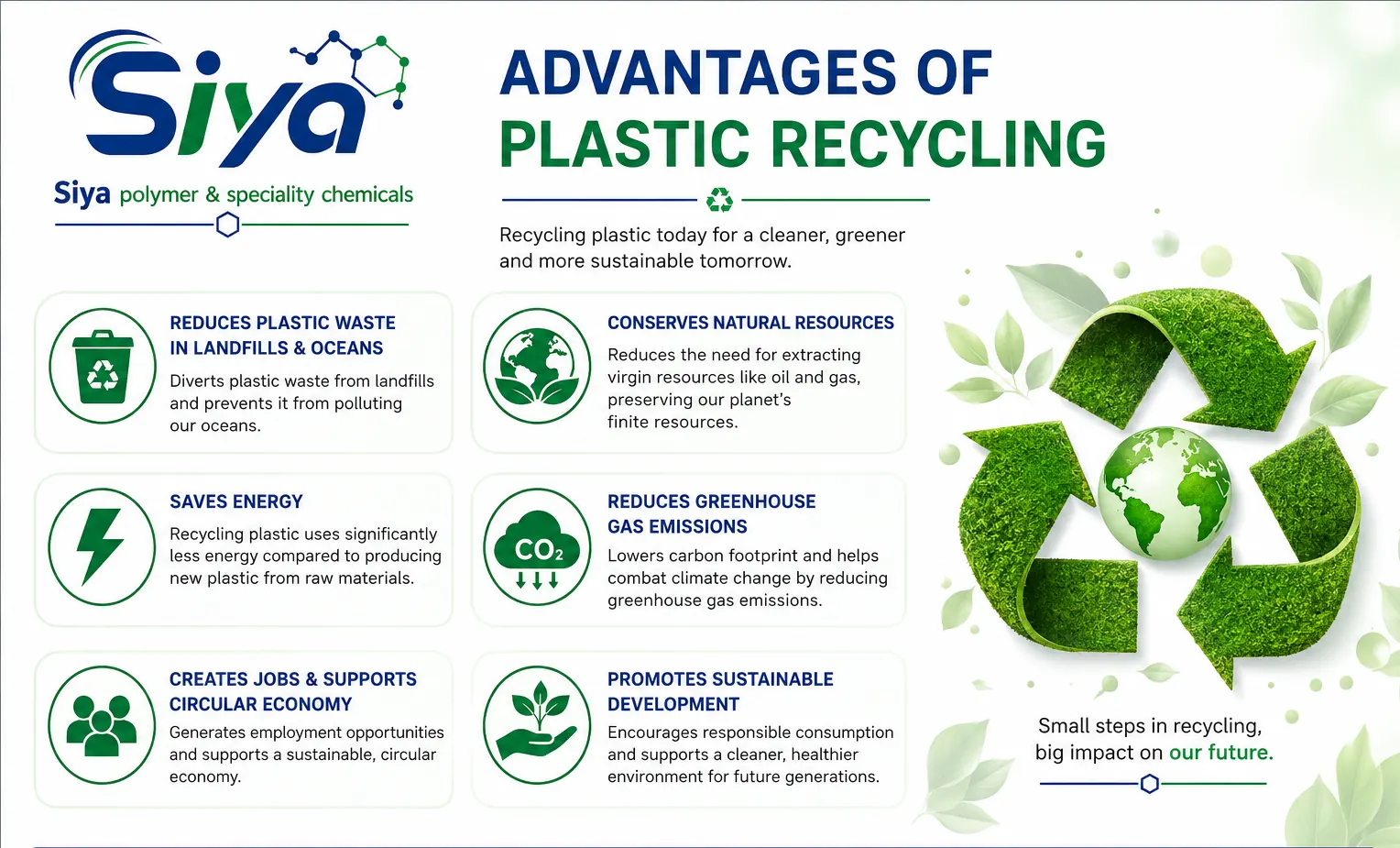
Plastic recycling reduces environmental pollution, lowers greenhouse gas emissions, conserves petroleum-based resources, and decreases the amount of plastic waste sent to landfills and oceans. It plays a vital role in creating a circular economy and promoting sustainable development.
What Plastics Can Be Recycled?
Common recyclable plastics include PET (Polyethylene Terephthalate), HDPE (High-Density Polyethylene), LDPE (Low-Density Polyethylene), PP (Polypropylene), and certain grades of PVC and engineering plastics. The recyclability depends on local recycling infrastructure and material composition.
How Much Plastic Can Be Recycled?
Many plastic materials can be recycled multiple times depending on their quality and application. Advanced recycling technologies now allow significant portions of plastic waste to be converted into reusable raw materials, reducing dependence on virgin plastics.
Where Can I Recycle Plastic Waste?
Plastic waste can be recycled through authorized recycling centers, municipal collection programs, plastic waste management companies, scrap collection networks, and certified plastic recyclers. Businesses often partner with industrial plastic recycling companies for large-scale waste management solutions.
What Are the Benefits of Plastic Recycling?
Benefits of plastic recycling include reduced environmental impact, lower production costs, conservation of energy and raw materials, reduced landfill burden, support for sustainability goals, and promotion of a circular economy for plastic products.
How is Recycled Plastic Reused?
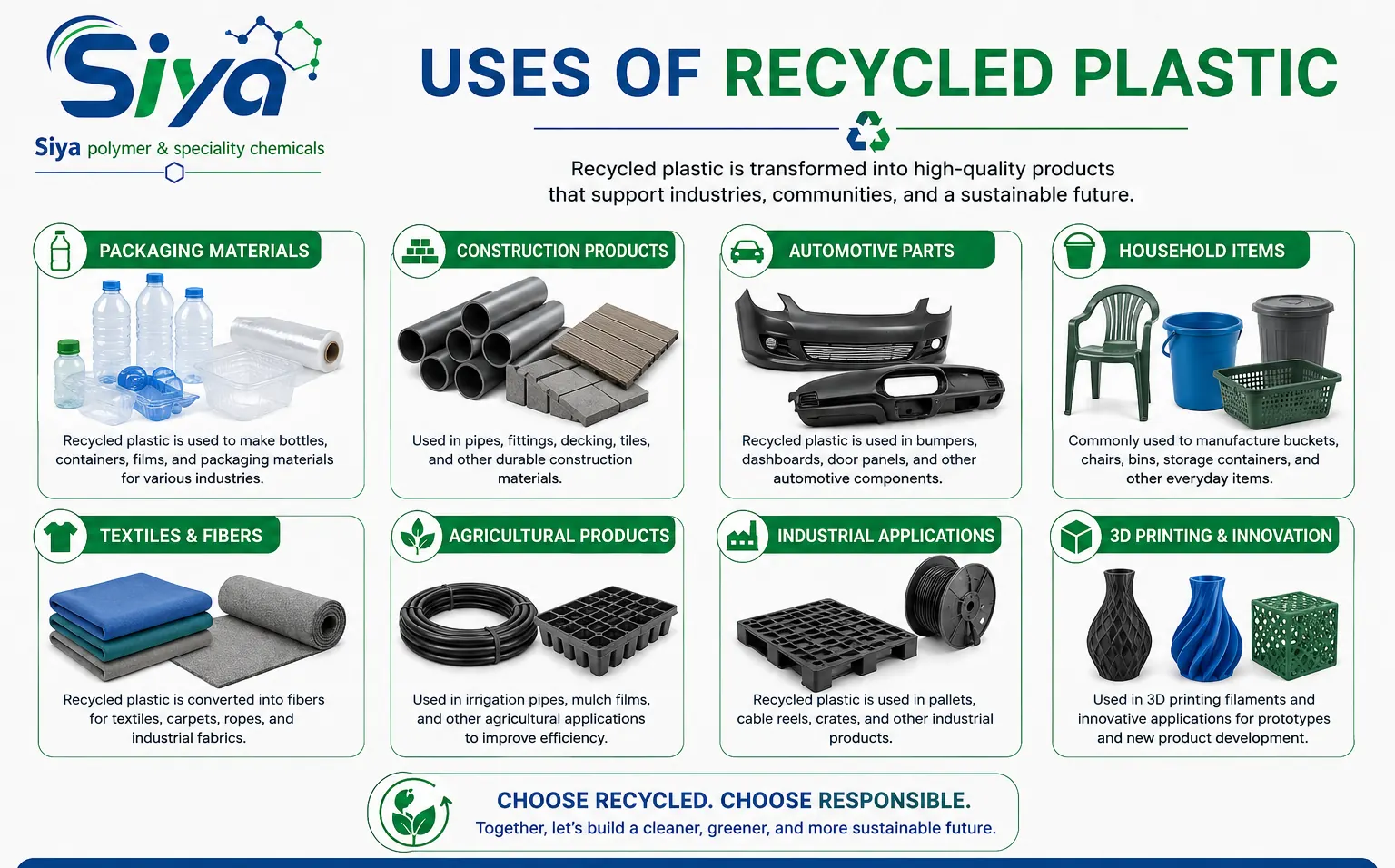
Recycled plastic is used to manufacture packaging materials, automotive parts, construction products, plastic pallets, pipes, containers, furniture, textile fibers, and various industrial products. Recycled plastic materials help reduce the demand for virgin plastic production.
Is Plastic Recycling Profitable?
Yes, plastic recycling can be highly profitable due to growing demand for recycled plastic granules and sustainable materials. Industries such as packaging, automotive, construction, and consumer goods increasingly use recycled plastics to meet environmental and regulatory requirements.
What is the Plastic Recycling Process in India?
The plastic recycling process in India includes plastic waste collection, segregation, cleaning, shredding, extrusion, pelletizing, and manufacturing of recycled plastic products. India's plastic recycling industry supports sustainable waste management, Extended Producer Responsibility (EPR) compliance, and the circular economy by converting plastic waste into valuable reusable materials.
Learn More About Plastic Recycling